MLB Prospect Call-Up Betting Impact: When Rookies Move the Line
 Available in US

The Day a Rookie Debut Cost Me Half a Stake
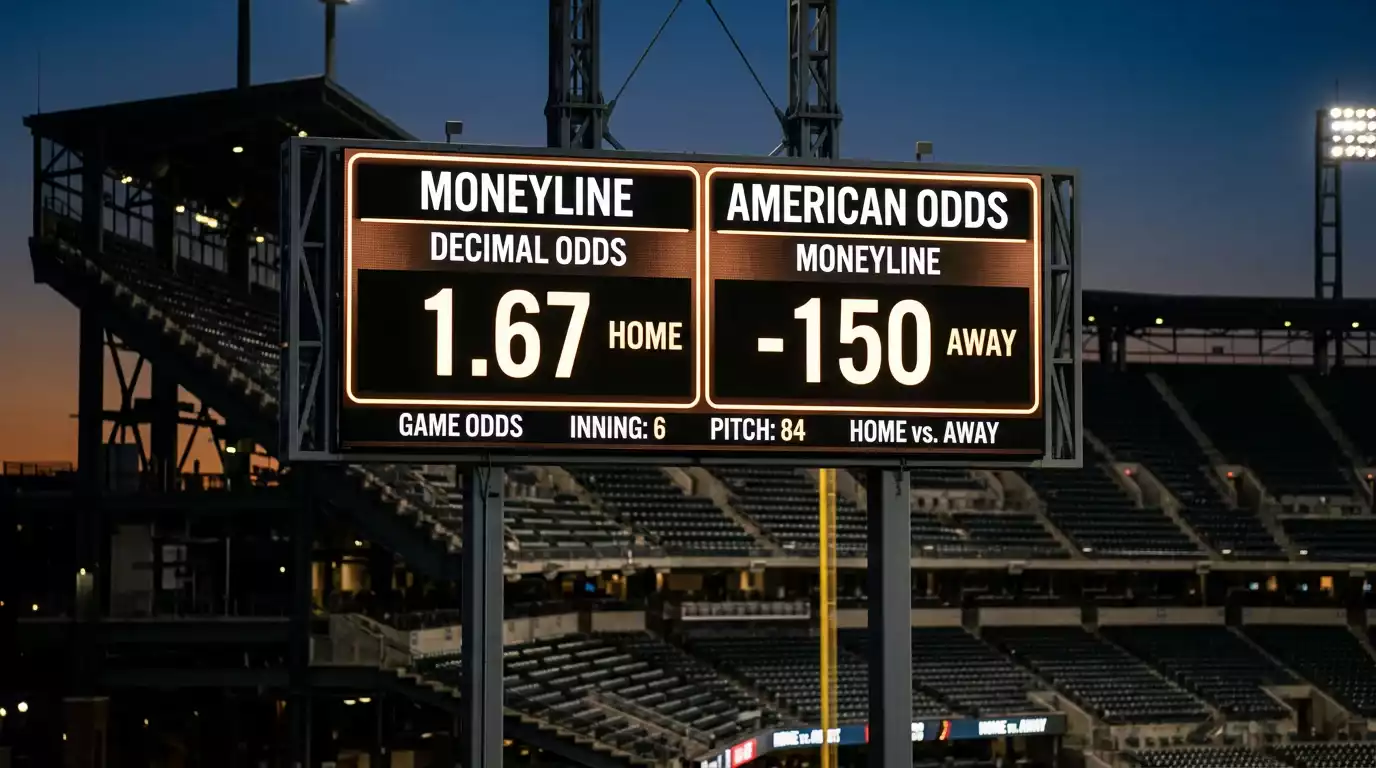
One June afternoon a few years ago a top hitting prospect got called up from Triple-A to make his major-league debut. I had a pre-match position on the over for his team’s game total at 8.5, placed the previous evening. By the time first pitch rolled around, the line had moved to 9.5 and the over price had compressed from -110 to -135. The debut was a story across the sports media for 48 hours, the recreational money piled onto the over in size, and the price I held was worse on closing than it had been at opening. I still won the bet – the game went 11-5 because the prospect did, in fact, homer in his first at-bat – but the closing line value on my position was minus 25 cents per dollar wagered, and across enough bets that kind of value erosion adds up.
The lesson is simple. Top prospect call-ups move betting markets more than most punters realise, in ways that produce predictable price patterns. Understanding those patterns is the difference between getting in front of the move and getting run over by it. For UK punters trying to identify edges that do not require staying up until 4am, the prospect-call-up cycle is one of the most actively researched and most consistently mispriced areas of the regular-season calendar.
How Prospect Call-Ups Actually Work
The pipeline from minor leagues to major leagues runs through a hierarchy of levels – rookie ball, Single-A, High-A, Double-A, Triple-A – with most top prospects spending material time at Double-A and Triple-A before their first major-league call-up. A team carries 40 players on its full roster but only 26 on its active roster at any one time, with the remaining 14 protected at minor-league affiliates. When a team needs to promote a prospect, the front office moves him onto the 26-man active roster, demotes or releases a current active-roster player to make room, and announces the move typically the day before the prospect’s first game.
The triggers for a call-up are typically one of three things. An injury to a starting player creates an immediate roster hole. A trade has moved a contributor out and the front office wants to give the spot to a prospect rather than a veteran replacement. The team has determined that the prospect is genuinely ready and is choosing to start his major-league clock for strategic reasons. Each of these triggers carries a different signal for punters, and the market response to each is different.
The pre-call-up signals are also worth tracking. A prospect who has been with the major-league club through the latter half of spring training, who has been positioned at Triple-A for the first two months of the regular season rather than starting lower, who appears in pre-call-up media coverage discussing his readiness – these are all signals that a call-up is approaching. Punters who track minor-league boxscores and team beat coverage can often identify imminent call-ups two or three days before the formal announcement.
Service Time and the Timing Window
The service-time system in MLB shapes the call-up calendar in ways that produce predictable timing patterns. A player accrues “service time” only while on the active major-league roster, and the threshold for various contract milestones – arbitration eligibility, free agency timing, qualifying offer eligibility – depends on accumulated service time across seasons. Teams have historically held top prospects in Triple-A until after a service-time threshold has passed, typically around mid-April or mid-June, to delay free agency by an additional year.
The current collective bargaining agreement and the prospect promotion incentives included in it have reduced the most aggressive forms of service-time manipulation, but the structural pattern remains. Teams promote top prospects in waves around specific calendar dates rather than at the operational moment of best baseball fit. The June window – the third week of May through mid-June – has historically been one of the most active call-up periods because it falls just past the service-time control point and aligns with the operational reality of identifying which prospects are genuinely ready after two months of Triple-A data.
For betting purposes, the timing predictability matters. If you are tracking a specific prospect through the spring and into the early season, you can build a high-confidence estimate of when his promotion is likely. That estimate lets you position bets in advance of the line movement that will inevitably accompany the announcement, capturing the price moves rather than chasing them.
Line Movement on Rookie Debuts
Here is the consistent pattern for headline prospect debuts. The team’s moneyline tightens by 5 to 15 cents on the day of the call-up announcement. The total moves upward – typically a half-run, occasionally a full run for the most-hyped debuts – as the recreational money piles onto the over. Player props specific to the prospect appear within hours of the announcement, with very wide margins reflecting the books’ uncertainty about pricing a player with zero major-league data.
Why does the market move this way? Two factors compound. First, the legitimate analytical update – a top prospect joining the active roster genuinely does improve the team marginally for that game. Second, and much larger, the public attention update – every sports media outlet covers the debut, every casual fan who reads about the prospect places a small bet on his team, and the recreational money flow swamps the legitimate analytical signal. The result is that prices on rookie debuts overshoot the true probability shift, sometimes by significant margins.
This produces an exploitable pattern. The opposite team’s moneyline often offers value at closing prices on rookie debut days, because the recreational money has pushed the debut team’s price below true probability. The under on the total can also offer value if the line has moved aggressively upward – particularly because rookie hitters historically struggle in their first ten major-league games as they adjust to the speed and quality of pitching they face. Around 30% of MLB games are decided by a single run, and rookie debut games sit closer to that average than the elevated public expectations suggest.
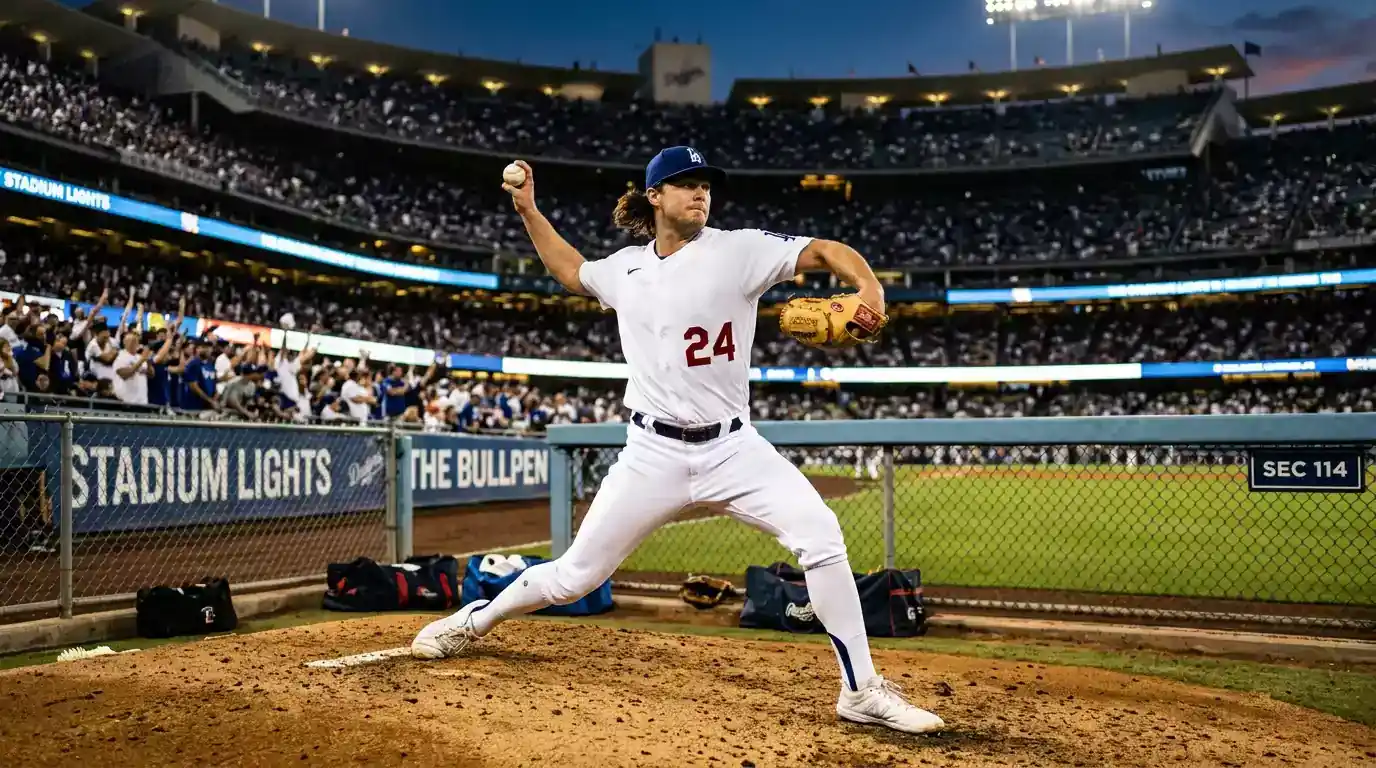
The opposite play is also worth understanding. Rookie pitcher debuts often produce under value on the total. Major-league hitters tend to struggle the first time they face a new pitcher whose stuff and arsenal they have not seen on video study. The unfamiliarity effect typically lasts six to twelve plate appearances before the hitting side adjusts, which is enough to push first-five-innings unders into value territory on a rookie starter’s debut. As Max Scherzer put it in a 2025 conversation about modern pitching philosophy, the challenge of pitching is increasingly about thinking like robots while trying to make decisions based on another human being in a box – and a rookie pitcher facing major-league hitters for the first time is, briefly, harder to model than the recreational market gives him credit for.
Rookie Pitcher Versus Rookie Hitter Profiles
The betting profile of a rookie pitcher debut differs materially from a rookie hitter debut, and conflating the two is a common analytical mistake. Rookie hitters typically struggle in their first ten to twenty plate appearances as they adjust to major-league pitching velocity, location precision, and breaking-ball quality. The hype-driven over on hitting props during a rookie hitter debut is one of the most reliable losing bets in baseball, and the unders on team total when a rookie hitter is in the lineup against quality pitching often offer real value.
Rookie pitchers face the opposite dynamic. The unfamiliarity advantage they hold over major-league hitters in their first start is real and exploitable for the pitching side. Their first major-league start often produces a lower-than-expected hit count, particularly through the first three innings before the opposition adjusts. The under on opponent hits, the under on opponent runs through five, and the strikeout over on the rookie pitcher have historically been profitable approaches when the market is overpricing the recreational fear of a debut performance.
Pitching dominates win-percentage prediction in modern baseball – 8 of the 10 top correlation statistics with team win percentage are pitching metrics – and that dominance applies to rookie debuts too. A team calling up a top hitting prospect is making a marginal upgrade. A team calling up a top pitching prospect to slot into the rotation is making a much larger structural change that propagates through bullpen usage and roster construction. The betting implications follow the same hierarchy.
Rookie of the Year Futures Markets
The Rookie of the Year award is voted at the end of each MLB season, with one award per league for the best first-year major-league player. Futures prices on the award open in early April and move continuously through the season as the field of candidates develops. The market is genuinely beatable if you have done the prospect-tracking work in spring training and the first two months of the regular season.
The most reliable Rookie of the Year approach is to wait until the early-June call-up wave has settled, identify the two or three prospects who have been promoted and are producing legitimate major-league results, and back the candidate whose market price has not yet caught up to the production. The traditional pre-season favourites – typically prospects who had massive 2025 hitting numbers in a degraded league-wide hitting environment where only 7 hitters finished above .300 – frequently get displaced by mid-season call-ups whose production is more recent and more relevant. Backing the late wave at attractive June prices has historically been a stronger approach than backing the spring favourites at compressed early-April prices.
The natural complement to prospect call-up analysis is the other major mid-season market-reshaping event: the trade deadline in late July, which produces structural roster changes that dwarf any single prospect promotion. The market mechanics around how late-July trades reset MLB markets deserve their own framework and round out the mid-season betting picture for serious UK punters.
Trading Around the Call-Up Cycle
The right discipline around prospect call-ups for UK punters is to treat them as a predictable market-moving cycle rather than as individual unpredictable events. Track the prospect pipeline through spring and the early season, identify likely call-ups two or three days in advance, position your bets before the line moves, and use the recreational money that floods in on debut days as the source of your closing line value rather than fighting against it. The bettors who lose money on rookie debuts are the ones who join the public stampede at peak price. The bettors who win are the ones who positioned before the stampede started.
Why are rookie pitcher debuts often unders?
Major-league hitters typically struggle the first time they face a new pitcher whose stuff and arsenal they have not studied on video. This unfamiliarity advantage lasts roughly six to twelve plate appearances before the hitting side adjusts, which is enough to suppress run scoring through the first three to five innings of a rookie pitcher’s debut. The under on first-five-innings totals and the under on opponent runs through five frequently offer value, particularly when the recreational market has pushed the total upward on debut hype.
How quickly do props appear for a newly called-up hitter?
Player props for a newly promoted hitter typically appear within a few hours of the call-up announcement, with very wide margins reflecting the books’ uncertainty about pricing a player with zero major-league track record. The opening props are often soft enough to offer genuine value on either side, but they move quickly as both sharp money and recreational money flow in. The window for exploiting the soft opening prices is usually less than 12 hours before the prop pricing tightens to a more defensible level.
Created by the ”Betting Tips for Baseball” editorial team.